Landlord Requirements: What You Need to Know for End of Tenancy Cleaning in the UK
When a tenant moves out, landlord requirements for cleaning aren’t about perfection—they’re about fairness. In the UK, landlords can’t demand a spotless home just because the lease ended. What they can ask for is a property returned to the same condition it was in at the start, minus normal acceptable wear and tear. This means scuffed baseboards, faded curtains, or light scratches on wood floors? That’s fine. But grease caked on oven trays, mold in the bathroom, or urine stains in the mattress? That’s not. Landlords who try to charge for normal use risk breaking the law—and losing their deposit dispute.
Most disputes happen because landlords and tenants don’t agree on what counts as damage versus wear. That’s where a clear cleaning checklist and a move-in/move-out inventory come in. If the landlord didn’t document the condition when the tenant moved in, they can’t suddenly claim the carpet was pristine. And if the tenant didn’t clean properly, they can’t expect their full tenant deposit back. The law doesn’t favor either side—it favors proof. That’s why so many of the posts below focus on real examples: what scratches on hardwood floors really look like, how much grease is too much for an oven tray, or why urine smell can’t be masked with baking soda alone. These aren’t just cleaning tips—they’re legal safeguards.
There’s also a big difference between what a landlord asks for and what they’re legally allowed to require. Some try to force tenants to hire professional cleaners, even if the tenancy agreement doesn’t say so. Others withhold deposits for minor messes, hoping the tenant won’t fight back. But you don’t need to accept that. Knowing your rights, having photos, and using a detailed cleaning checklist can turn a tense situation into a smooth handover. The posts below cover exactly that: how to negotiate with cleaners, what tax deductions you can claim as a landlord, how to handle pet damage, and why using the wrong cleaner can actually make things worse. Whether you’re a tenant trying to get your money back or a landlord making sure your property stays in good shape, this collection gives you the facts—not the fluff.
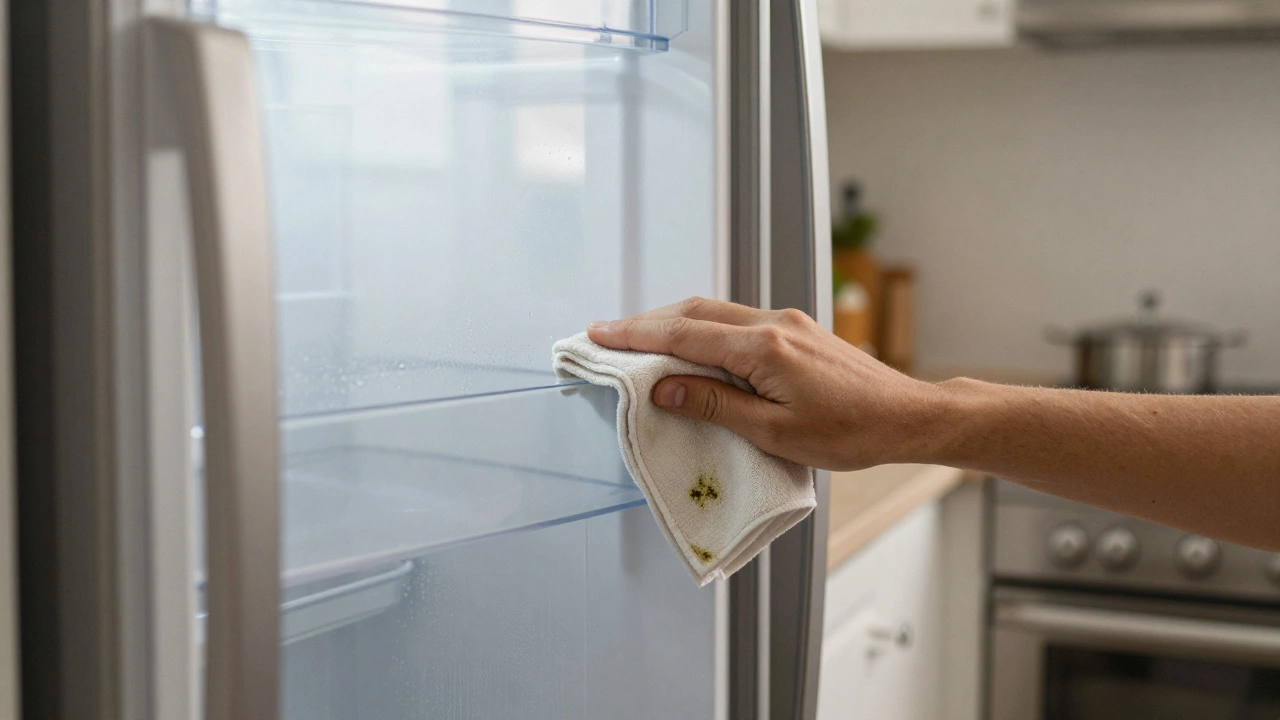
What Is the Basic Rule of Cleaning for End of Tenancy?
The basic rule of end of tenancy cleaning is returning the property to the same clean condition it was in when you moved in. Learn what landlords actually check, what you don’t need to do, and how to get your full deposit back.
Read More