Home Pressure Washing: What It Is, How It Works, and What You Need to Know
When you think of home pressure washing, a high-powered water cleaning method used to remove dirt, mold, and grime from outdoor surfaces. Also known as power washing, it’s one of the fastest ways to make your driveway, fence, or siding look brand new—without scrubbing by hand. But it’s not magic. Get it wrong, and you can strip paint, crack siding, or even send water behind your walls. Done right, it saves hours and brings back the color you forgot your house had.
Most people don’t realize pre-wash spray, a cleaning solution applied before pressure washing to break down dirt and grease is just as important as the water blast. Without it, you’re just pushing dirt around. The right pre-wash—like one with surfactants or eco-friendly degreasers—lifts grime so the water does the rest. And not all sprays are made equal. Some are made for concrete, others for wood or vinyl siding. Using the wrong one can leave streaks or damage surfaces you’re trying to protect.
Then there’s the machine itself. A cheap rental unit might seem like a bargain, but if it’s under 2,000 PSI, it won’t cut through years of algae on your deck. Too strong? You could gouge your bricks or shatter a window. Professionals use adjustable nozzles, proper distance, and steady motion—not just a trigger finger. That’s why so many people end up hiring someone—even though pressure washing business, a service offering outdoor cleaning using high-pressure water systems sounds easy. It’s not. The equipment costs thousands. Weather delays ruin schedules. And competition is fierce because everyone thinks they can do it after watching a YouTube video.
And let’s talk about pressure washing chemicals, specialized cleaners used alongside water to target mold, mildew, or oil stains. Bleach? It kills mold but kills plants too—and it’s banned in some areas. Oxygen bleach? Safer, but slower. There’s no one-size-fits-all solution. What works on your brick patio won’t work on your aluminum gutters. And if you’re cleaning near gardens or pets, you need to know which products are truly safe. That’s why so many guides focus on natural alternatives, like vinegar-based mixes or biodegradable detergents.
Here’s the truth: home pressure washing isn’t about power. It’s about control. It’s knowing when to hold back, when to move faster, and when to skip the machine entirely. The posts below cover everything from the best sprays to use before you start, to the hidden risks no one talks about, to how to fix mistakes after they happen. You’ll find real tips from people who’ve been there—like how to clean a mossy driveway without wrecking the grass beside it, or why your neighbor’s siding looks perfect while yours is streaked and damaged. No fluff. Just what works.
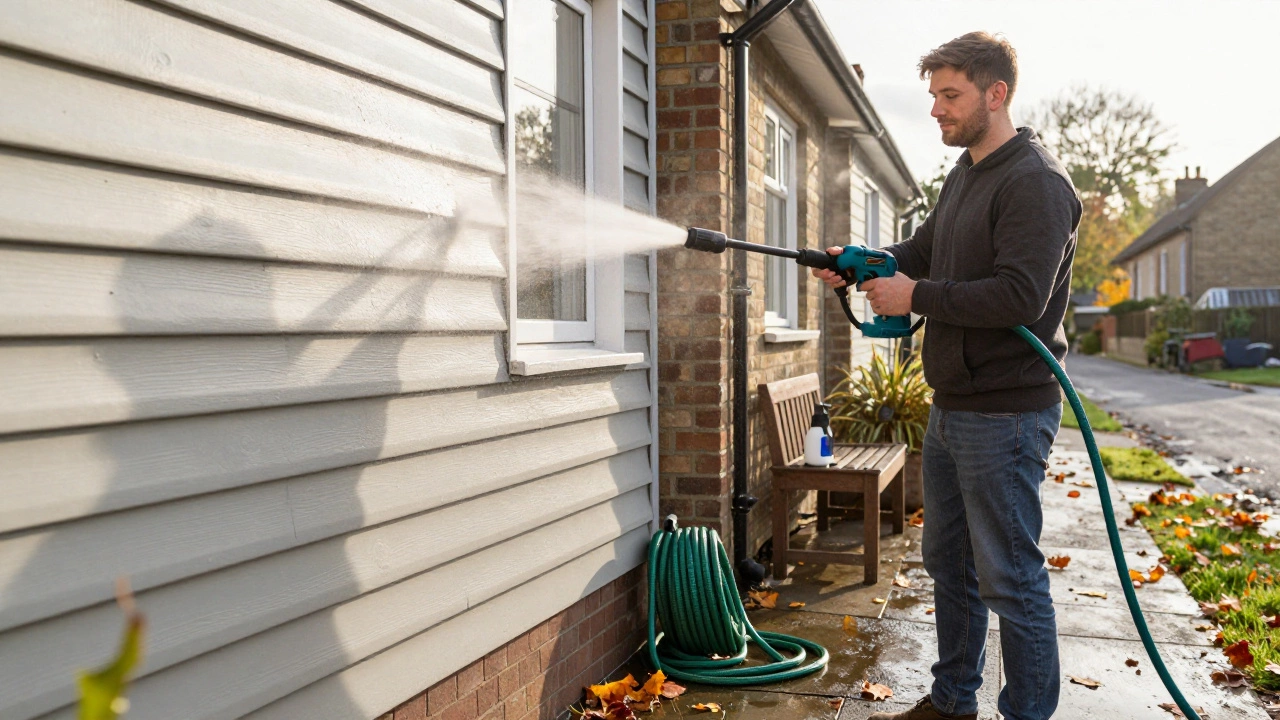
What Kind of Pressure Washer Do I Need to Clean My House?
Find the right pressure washer for your home without overpaying or damaging surfaces. Learn PSI and GPM needs, electric vs gas, attachments, and safe techniques for UK houses.
Read More