Best Pressure Washer for Home: What to Look For and What to Avoid
When you're looking for the best pressure washer for home, a motorized cleaning tool that uses high-pressure water to remove dirt, mold, and grime from surfaces like driveways, decks, and siding. Also known as a power washer, it’s not just about raw power—choosing the wrong one can damage your property, waste water, or leave you with a machine that’s too heavy to move. Many people think more PSI equals better results, but that’s not true. A 2,000 PSI unit with the right nozzle and detergent can clean better than a 3,000 PSI model you can barely lift.
The pressure washer type, whether electric or gas-powered, determines how much work you can realistically do around the house. Electric models are quieter, lighter, and perfect for small jobs like cleaning patio furniture or removing algae from steps. They plug into a standard outlet and need no fuel. Gas models deliver more power and are better for larger surfaces like driveways or brick walls, but they’re heavier, louder, and require maintenance like oil changes and fuel storage. If you only clean once or twice a year, electric is usually enough. If you’re tackling big projects or have a large property, gas gives you the freedom to move without being tethered to an outlet.
Pressure washer features, like adjustable nozzles, detergent tanks, and hose length, make a bigger difference than brand names. A 0-degree nozzle might seem powerful, but it can strip paint or etch concrete. A 25-degree or 40-degree nozzle is safer for most home surfaces. Look for models with a built-in detergent tank so you don’t have to spray chemicals separately. A 25-foot hose gives you flexibility without needing an extension. And don’t ignore weight—some gas units weigh over 50 pounds. If you’re not strong or have back issues, that’s a dealbreaker.
What most guides don’t tell you? The pressure washer safety, how you use the machine matters more than its specs. Holding the wand too close to wood or vinyl siding can cause permanent damage. Never point it at people, pets, or windows. Always wear eye protection and closed-toe shoes. And always read the manual—some units have automatic shut-off features that prevent overheating, while others don’t. A $300 machine with safety features is smarter than a $600 one without them.
You’ll find plenty of posts below that break down real-world results. Some show how to pick the right detergent before you even turn the machine on. Others warn you about the hidden costs of cheap models that break after one season. There are guides on how to clean your driveway without stripping the sealant, how to avoid water damage to your home’s foundation, and even how to use a pressure washer to prep for painting. None of them push the most expensive model. They all focus on what actually works for real homeowners—not marketing hype.
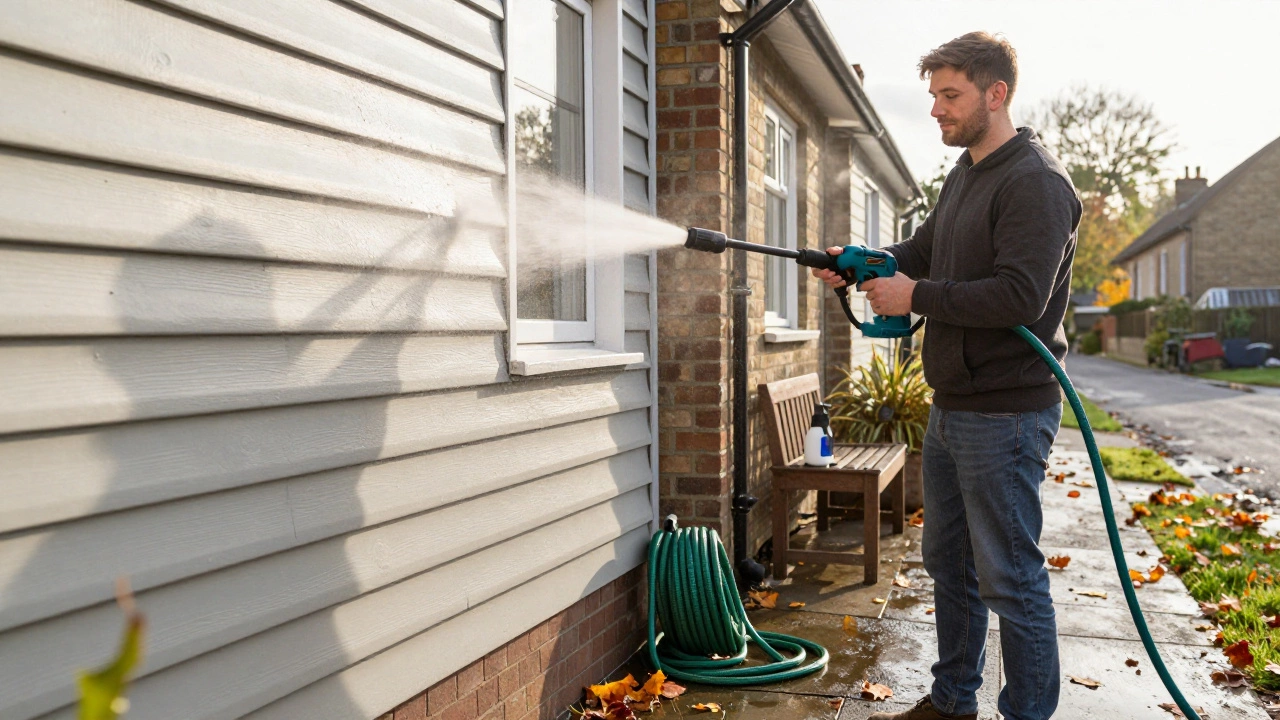
What Kind of Pressure Washer Do I Need to Clean My House?
Find the right pressure washer for your home without overpaying or damaging surfaces. Learn PSI and GPM needs, electric vs gas, attachments, and safe techniques for UK houses.
Read More