Basic Cleaning Rule: Simple Rules That Actually Work for Every Home
When it comes to cleaning, there’s one basic cleaning rule, a foundational principle that determines whether cleaning helps or hurts your home. This rule isn’t about fancy gadgets or expensive sprays—it’s about timing, order, and knowing what not to do. Also known as cleaning logic, it’s the reason some people clean every week and still have dirty kitchens, while others clean once a month and their home looks spotless. It’s not luck. It’s following a simple sequence that stops dirt from spreading, prevents damage, and saves hours.
Most people treat cleaning like a checklist: wipe counters, vacuum floors, clean windows. But that’s backwards. A cleaning routine, a structured approach to maintaining a clean space. Also known as cleaning workflow, it starts high and moves low, dry before wet, and tackles the toughest jobs first. Think about it: if you vacuum after wiping down shelves, you’re just re-dirtying the floor. If you spray vinegar on a stone countertop before wiping, you risk etching the surface. These aren’t opinions—they’re facts backed by how dirt, moisture, and surfaces actually behave. The same goes for cleaning mistakes, common errors that make messes worse instead of better. Also known as cleaning myths, they include using Windex on tinted windows, leaving baking soda on mattresses overnight, or mixing vinegar with bleach. These aren’t just ineffective—they’re dangerous. The posts below show real cases where people followed these rules by accident and got great results, and others who ignored them and ended up with stained carpets, damaged glass, or lingering odors.
What you’ll find here isn’t a list of tips. It’s a collection of real-world examples that prove the basic cleaning rule works every time. From why professional window cleaners skip soap entirely to how to remove baked-on grease without scrubbing for hours, each post shows how small changes in timing and method lead to big results. You’ll see what happens when you rush oven cleaning, why spring cleaning in Australia isn’t in September, and how to avoid paying for damage you didn’t cause at the end of a tenancy. These aren’t theoretical ideas—they’re lessons from people who cleaned their homes, rental units, and even cars the right way. No fluff. No gimmicks. Just what works, what doesn’t, and why.
If you’ve ever cleaned something and it still looked dirty—or worse, got damaged—you’re not doing anything wrong. You’re just missing the rule. Below, you’ll find the exact steps, timing, and tools that make cleaning simple, safe, and effective. No more guessing. No more wasted effort. Just results.
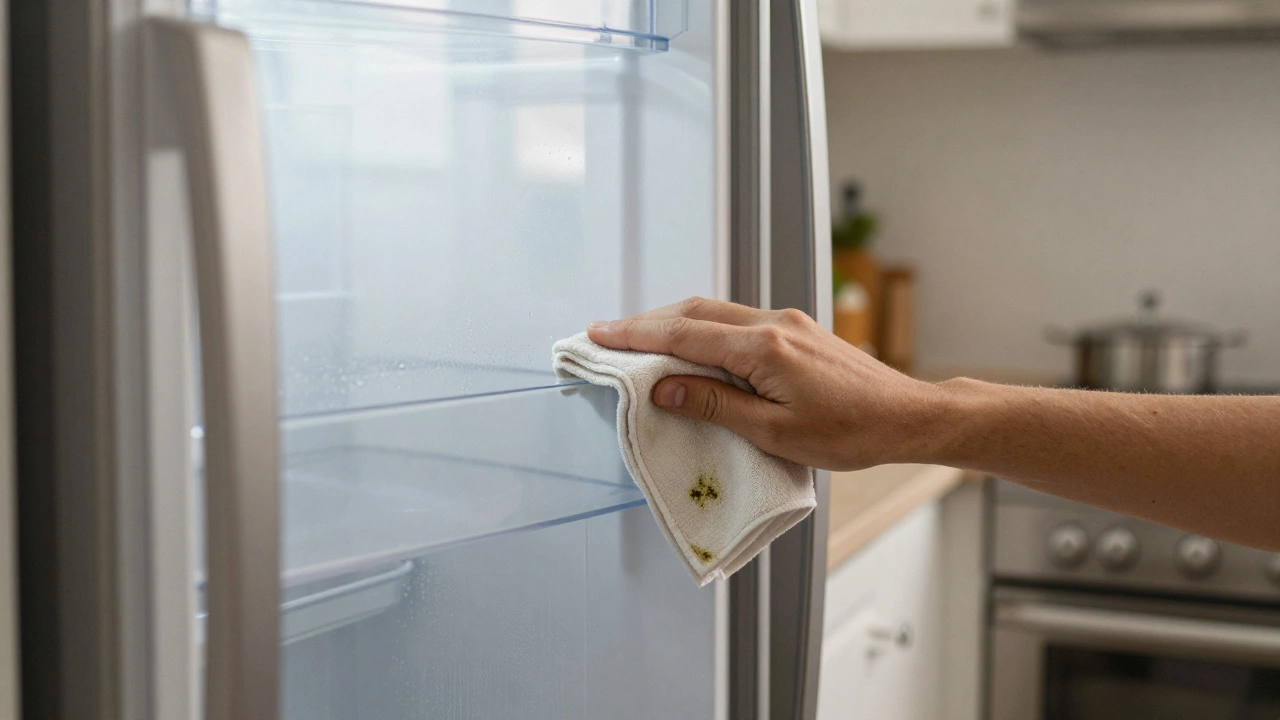
What Is the Basic Rule of Cleaning for End of Tenancy?
The basic rule of end of tenancy cleaning is returning the property to the same clean condition it was in when you moved in. Learn what landlords actually check, what you don’t need to do, and how to get your full deposit back.
Read More