Baking Soda Mattress Risks: What You Need to Know Before Using It
When it comes to cleaning a mattress, many people turn to baking soda, a common household powder used to absorb odors and mild stains. Also known as sodium bicarbonate, it’s cheap, non-toxic, and widely available—so it seems like the perfect solution for smelly beds. But here’s the problem: what works on carpets or fridges doesn’t always work on mattresses, and in some cases, it makes things worse.
Using baking soda on a mattress can trap moisture instead of removing it. Urine, sweat, and spills leave damp spots deep in the fabric. Sprinkling baking soda on top might mask the smell temporarily, but it doesn’t kill the bacteria or enzymes causing it. In fact, if you don’t vacuum it all out afterward, the leftover powder holds onto humidity, creating a perfect environment for mold and dust mites. That’s not just unpleasant—it’s a health risk, especially for people with asthma or allergies. And if you’ve got pets or kids who sleep on the bed, you’re not just cleaning—you’re exposing them to a potential irritant.
Another hidden risk? Baking soda doesn’t remove stains—it just hides them. If you’ve got a yellowed mattress from old urine, baking soda won’t break down the ammonia crystals. Only enzyme cleaners do that. And if you skip the vacuuming step, the powder can clog your vacuum’s filter or even get pulled back into the mattress fibers when you use it again. Plus, some people think baking soda is safe enough to leave on overnight. But leaving it too long without proper removal increases the chance of residue buildup, which can lead to stiff, uncomfortable sleeping surfaces over time.
Related to this, mattress cleaning, the process of removing odors, stains, and allergens from bedding. Also known as bed hygiene, it requires more than just sprinkling powder. It needs proper ventilation, thorough drying, and the right tools. You can’t treat a mattress like a kitchen counter. The fabric is porous, the padding absorbs deeply, and moisture lingers longer than you think.
And then there’s urine smell on mattress, a stubborn problem that baking soda alone can’t fix. The ammonia in urine bonds with fibers at a molecular level. Vinegar helps neutralize it, but only if you use it right. Enzyme cleaners are the only proven method to break down the proteins and eliminate the odor at the source. Baking soda? It just sits there, looking like it’s doing something. Meanwhile, the smell comes back stronger after a few days.
If you’ve tried baking soda on your mattress and the smell returned, you’re not alone. Many people think natural equals safe, but that’s not always true. The real issue isn’t the baking soda itself—it’s the false sense of security it gives you. You think you’ve solved the problem, so you don’t call a pro or replace the mattress when you should. That’s where the real cost shows up: in ruined sleep, health issues, and eventually, a new mattress you didn’t plan to buy.
What you’ll find below are real, tested methods for dealing with mattress odors—no guesswork, no myths. From the exact way to use enzyme cleaners to when it’s time to throw the mattress out, these posts give you the facts you won’t find on DIY blogs. No fluff. Just what works—and what doesn’t.
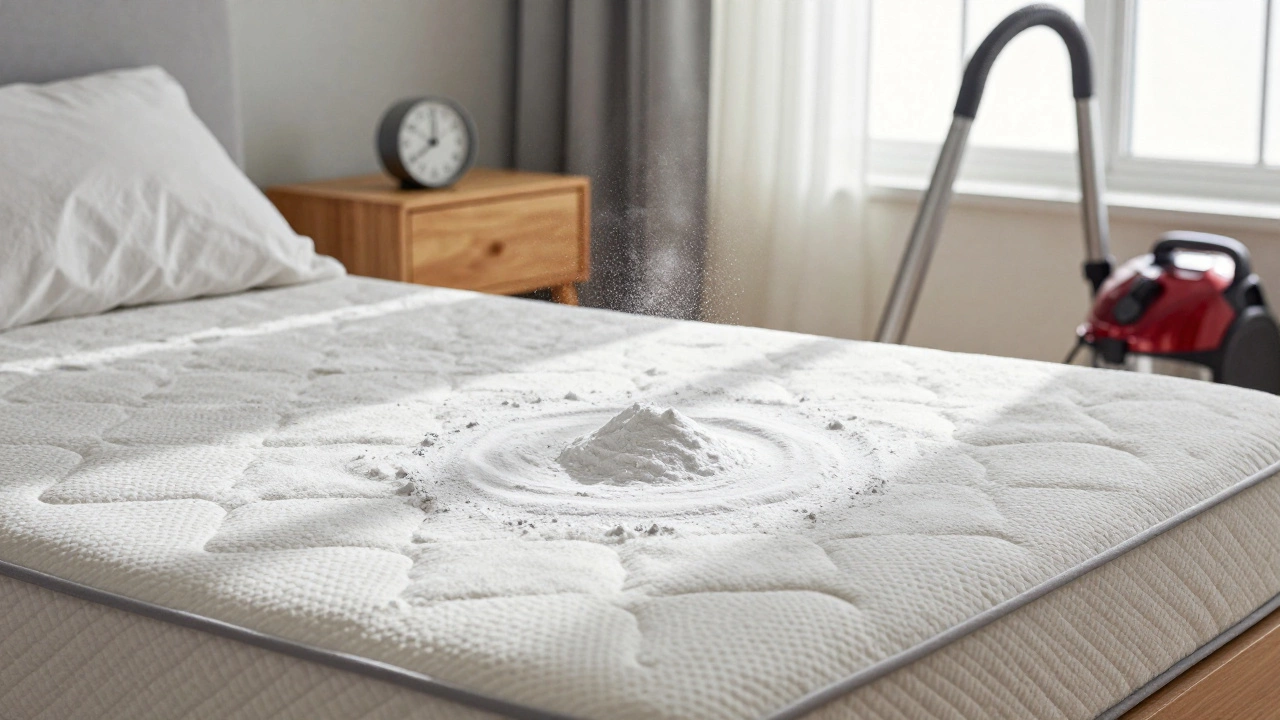
What Happens If You Leave Baking Soda on a Mattress Too Long?
Leaving baking soda on a mattress too long won't damage it, but it can trap moisture, create residue, and make vacuuming harder. Learn the right time to leave it and better alternatives.
Read More