Acceptable Wear and Tear: What’s Normal vs. Damage in UK Rentals
When you move out of a rented property, acceptable wear and tear, the natural, minor deterioration that happens over time from normal use is your friend. It’s not your fault if the carpet shows light foot traffic, the paint has faded near the window, or the door hinge creaks a little. But if you’ve got deep scratches in the wood floor, holes in the walls, or stained carpets from pet accidents, that’s tenant damage, damage caused by neglect, misuse, or failure to maintain the property—and that’s where landlords can legally keep part of your deposit. Knowing the difference isn’t just helpful—it’s essential to getting your full deposit back in the UK.
End of tenancy, the process of leaving a rented property and settling final obligations is where most disputes happen. Landlords often try to charge for normal aging as if it were damage. But UK law is clear: wear and tear is expected. A few scuffs on the skirting boards? Normal. A whole section ripped out? That’s damage. Faded curtains from sunlight? Normal. Burn marks from a cigarette? Damage. The property maintenance, ongoing care and minor repairs needed to keep a home in livable condition you do—like cleaning filters, wiping down surfaces, or fixing loose handles—isn’t just good practice, it’s your responsibility. But you’re not expected to restore the place to brand-new condition. The key is fairness. A 5-year-old sofa will look worn. A 5-year-old sofa with a 6-inch burn hole? That’s not normal.
Many tenants don’t realize how much evidence they can gather to protect themselves. Take dated photos before you move in. Keep receipts for any cleaning or minor repairs you made. If your landlord says the walls need repainting because of fingerprints, ask them to show you the official wear and tear checklist, a documented standard used by letting agents and courts to assess property condition. Most reputable agencies use one. If they don’t, you have leverage. This isn’t about being difficult—it’s about knowing your rights. The posts below give you real, practical examples: what scratches on wood floors really mean, how to prove you didn’t cause damage, and what cleaners actually work to fix minor issues without breaking the bank. You’ll find step-by-step guides, landlord tricks to watch out for, and how to respond when they try to charge you for things you didn’t do. No fluff. Just what you need to walk away with your deposit—and your peace of mind.
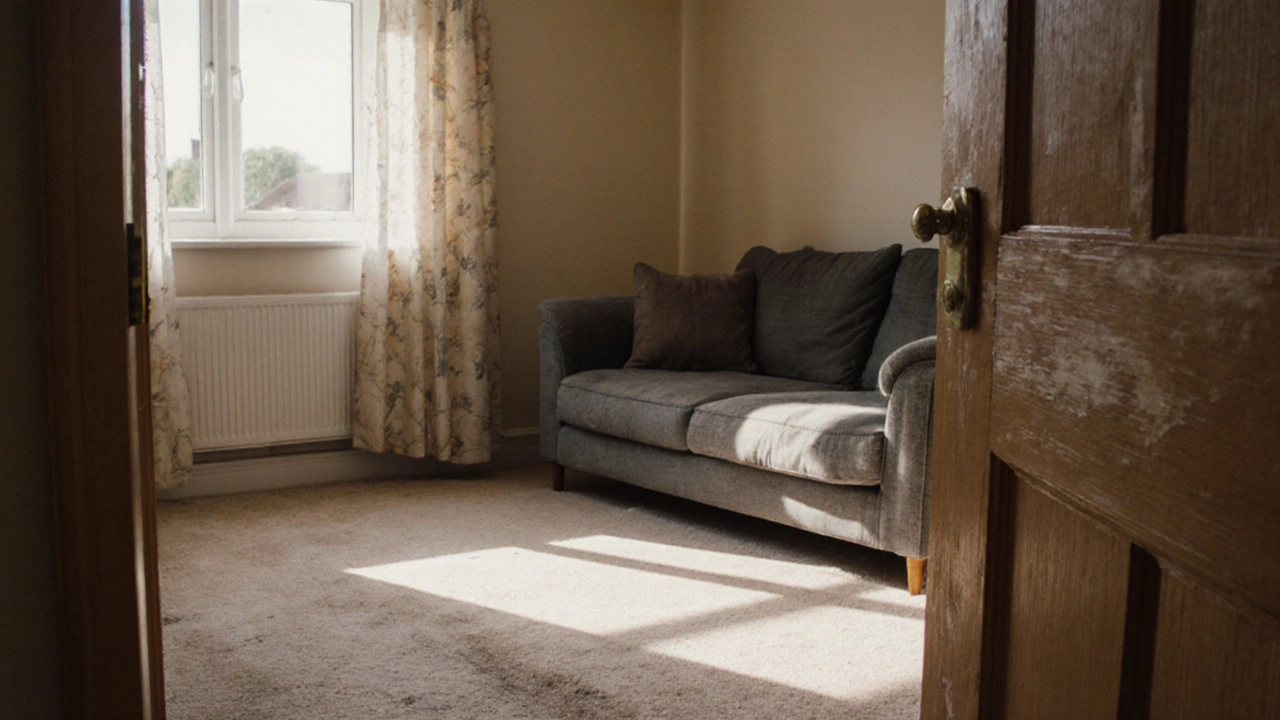
What Is Acceptable Wear and Tear at the End of a Tenancy?
Understand what counts as normal wear and tear versus damage at the end of a tenancy in the UK. Learn how to protect your deposit with proof, legal rights, and real examples from Leeds rentals.
Read More