Wrong Kitchen Cleaners: What Not to Use and Why It Matters
When you reach for a bottle labeled wrong kitchen cleaners, chemical-based products that promise quick results but often cause long-term damage to surfaces, health, or the environment. Also known as harsh household chemicals, these products may seem powerful—but they’re often just risky. Many people don’t realize that the same spray they use to cut through grease can also eat away at stone countertops, strip wood finishes, or leave behind toxic fumes that stick around for days.
Think about your kitchen surfaces: granite, stainless steel, laminate, wood. Each one reacts differently to chemicals. Bleach on granite? It stains. Ammonia on stainless steel? It leaves streaks and pits. Even vinegar, often called a "natural" fix-all, can dull sealants on stone if used too often. These aren’t myths—they’re real problems documented by manufacturers and professional cleaners alike. The toxic cleaning products, household chemicals containing chlorine, ammonia, phthalates, or synthetic fragrances that can irritate lungs, skin, and eyes, especially in enclosed spaces like kitchens you buy at the store aren’t just bad for the planet—they’re bad for your family too. Studies from the American Journal of Respiratory and Critical Care Medicine show that regular use of spray cleaners increases the risk of asthma, especially in kids and older adults.
And here’s the kicker: using the wrong cleaner often makes the problem worse. You spray something on baked-on grease, it doesn’t fully dissolve, so you scrub harder. That scratches the surface. Then you spray again—this time with something stronger. Now you’ve got a damaged countertop and a chemical residue that won’t rinse off. It’s a cycle that costs you time, money, and peace of mind. Meanwhile, simple alternatives like baking soda paste, diluted castile soap, or hydrogen peroxide work just as well without the side effects. You don’t need a bottle with a neon label and a warning sign to get a clean kitchen.
The posts below show you exactly what happens when you use the wrong products—and what you should use instead. You’ll find real examples of surfaces ruined by common cleaners, the science behind why some sprays fail, and simple swaps that actually work. Whether you’re cleaning an old farmhouse sink or a modern quartz countertop, you’ll learn what to avoid, what to use, and how to protect your home without spending a fortune. No fluff. No hype. Just what you need to stop making costly mistakes.
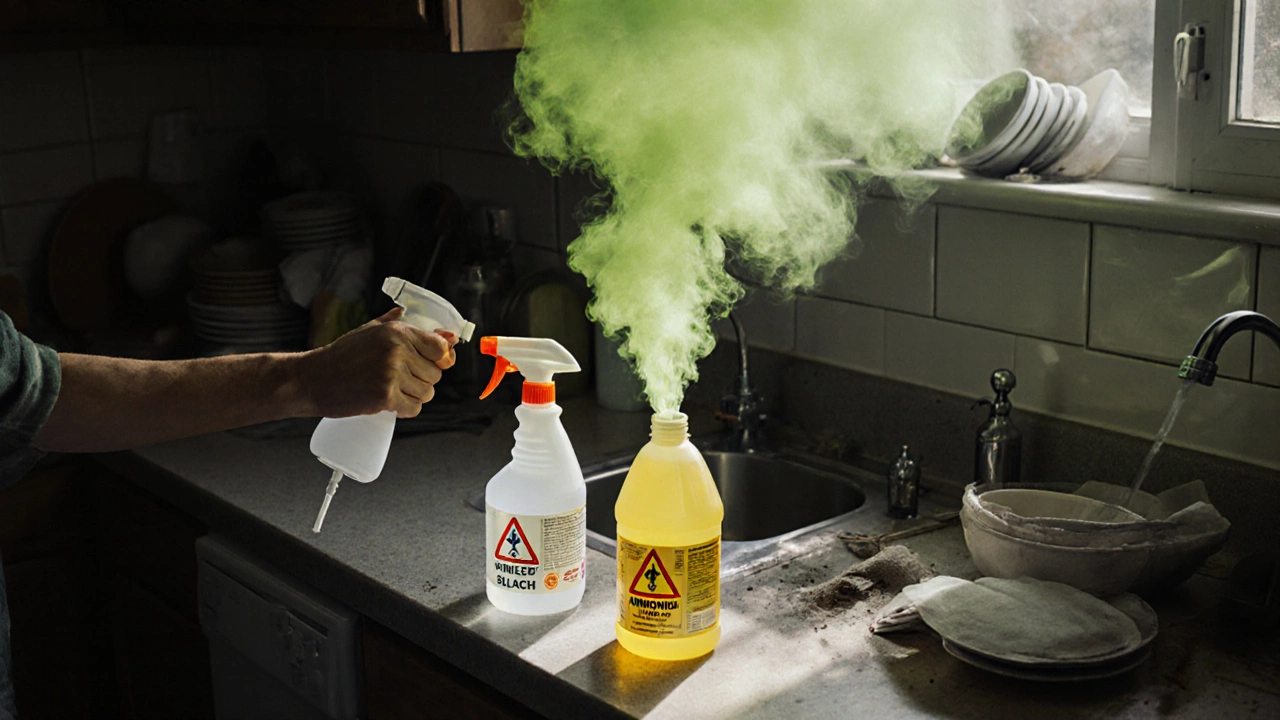
What Not to Do When Cleaning a Kitchen: Common Mistakes That Make Things Worse
Avoid these common kitchen cleaning mistakes that damage surfaces, spread germs, or create dangerous fumes. Learn what not to do for a safer, cleaner kitchen.
Read More