What Not to Clean Kitchen With
When it comes to what not to clean kitchen with, the wrong cleaner can ruin countertops, strip finishes, and even leave behind toxic residues. Also known as harmful kitchen cleaning practices, these mistakes happen more often than you think—especially when people assume all cleaners are safe for every surface. Your kitchen sees heavy use, so it’s tempting to grab whatever’s handy: bleach, ammonia, vinegar on stone, or even oven cleaner on stainless steel. But each of those can cause real, costly damage.
For example, granite countertops, a common kitchen surface in UK homes, are sealed but still porous. Using acidic cleaners like lemon juice or vinegar eats away at the sealant over time, leaving stains and making the stone vulnerable to bacteria. Same goes for aluminum cookware, often used in British kitchens. Harsh abrasives or bleach will pit the surface, making it harder to clean and more likely to react with food. Even stainless steel appliances, prized for their sleek look, can develop permanent streaks or discoloration if you use chlorine-based cleaners. These aren’t myths—they’re documented issues reported by professional cleaners across the UK.
What you should use depends on the material. For most surfaces, a simple mix of warm water and mild dish soap does the job. For grease, baking soda paste works without scratching. For disinfecting, hydrogen peroxide is safer and just as effective as bleach. Many of the posts below show exactly what works, what doesn’t, and why professionals avoid the same mistakes homeowners make every week. You don’t need fancy products—just the right ones for the job. The goal isn’t to scrub harder, but to clean smarter. Below, you’ll find real, tested advice from people who clean kitchens for a living—no guesswork, no hype, just what actually keeps surfaces safe and sparkling.
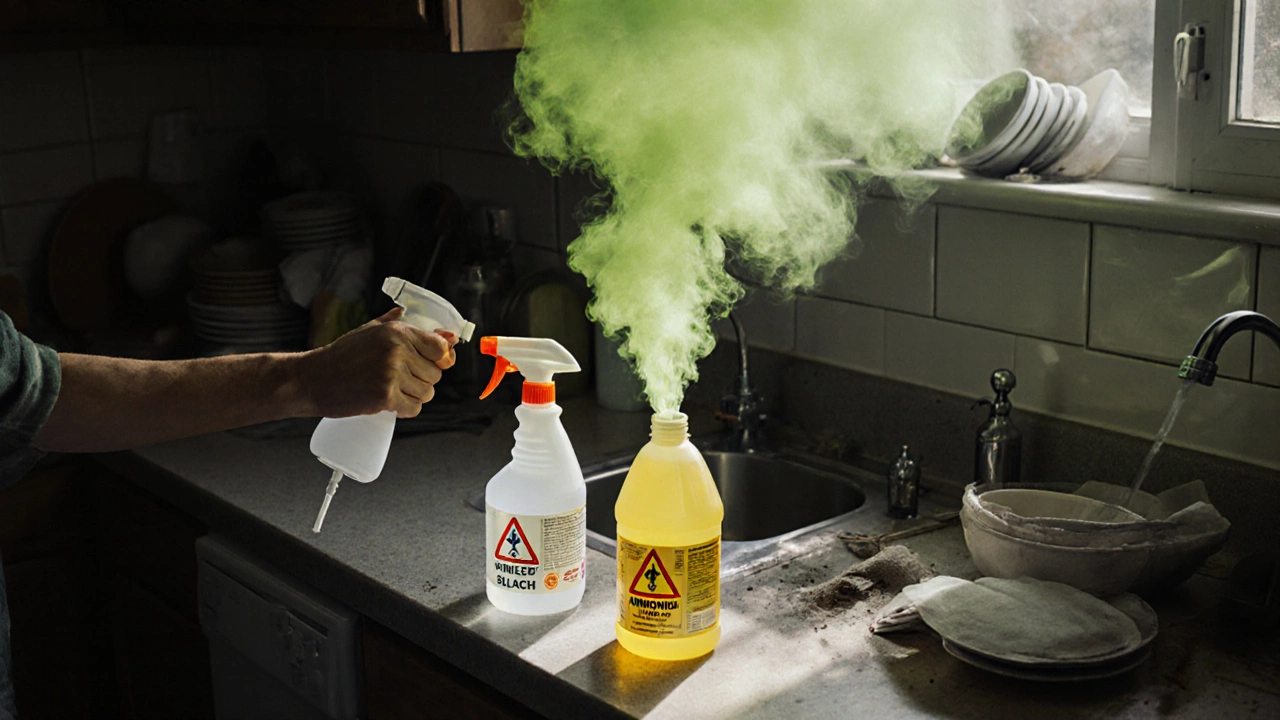
What Not to Do When Cleaning a Kitchen: Common Mistakes That Make Things Worse
Avoid these common kitchen cleaning mistakes that damage surfaces, spread germs, or create dangerous fumes. Learn what not to do for a safer, cleaner kitchen.
Read More