Vinegar and Baking Soda Oven: How to Clean Your Oven Naturally
vinegar and baking soda oven, a simple, non-toxic cleaning method that uses household ingredients to break down grease and grime without harsh chemicals. Also known as natural oven cleaner, it’s one of the most trusted DIY solutions for removing baked-on grease—and it’s safe around kids and pets. Unlike store-bought oven cleaners that smell like chemicals and eat at your skin, this combo works by reacting chemically: baking soda lifts grease, vinegar dissolves it, and together they lift away years of buildup without scratching surfaces.
This method isn’t just popular—it’s practical. You don’t need special tools, expensive products, or a PhD in chemistry. Just grab a box of baking soda, a bottle of white vinegar, a sponge, and a little patience. It’s especially useful for oven trays, the metal pans inside your oven that collect grease, food bits, and carbonized spills over time. These trays take the hardest beating, and they’re the first to show wear from chemical cleaners. Vinegar and baking soda won’t damage them. In fact, many professional cleaners use this method as a first step before even touching commercial products.
People often wonder if it really works. The answer? Yes—especially when you let it sit. Sprinkle baking soda thickly on the oven bottom and trays, spray with vinegar until it fizzes, then leave it overnight. The next day, the gunk wipes off like it was never there. No scrubbing. No lung-burning fumes. No gloves needed. It’s not magic—it’s science. The alkaline baking soda neutralizes acidic grease; the acetic acid in vinegar breaks down mineral deposits and helps lift everything off. It’s the same reason this combo works on stovetops, microwaves, and even coffee makers.
Some might say it’s too slow. But think about it: if you spend 10 minutes spraying a chemical cleaner, then 20 minutes scrubbing, then 15 minutes rinsing and ventilating the room, you’re still spending 45 minutes. With vinegar and baking soda, you set it, walk away, and come back to a clean oven with zero effort. That’s time saved, not wasted. And you’re not breathing in ammonia or sodium hydroxide. You’re not risking damage to your oven’s enamel or self-cleaning elements. You’re not paying $15 for a can that you’ll only use once a year.
It’s also part of a bigger shift toward natural oven cleaner, a category of cleaning methods that rely on non-toxic, biodegradable ingredients instead of synthetic chemicals. More people are asking: Do I really need poison to clean my kitchen? The answer is no. And the proof is in the results. You’ll find dozens of real examples in the posts below—from step-by-step guides on removing stubborn grease to tips on preventing buildup before it starts. You’ll also see why some cleaners avoid commercial sprays entirely, and how vinegar and baking soda can be part of a full eco-friendly home routine.
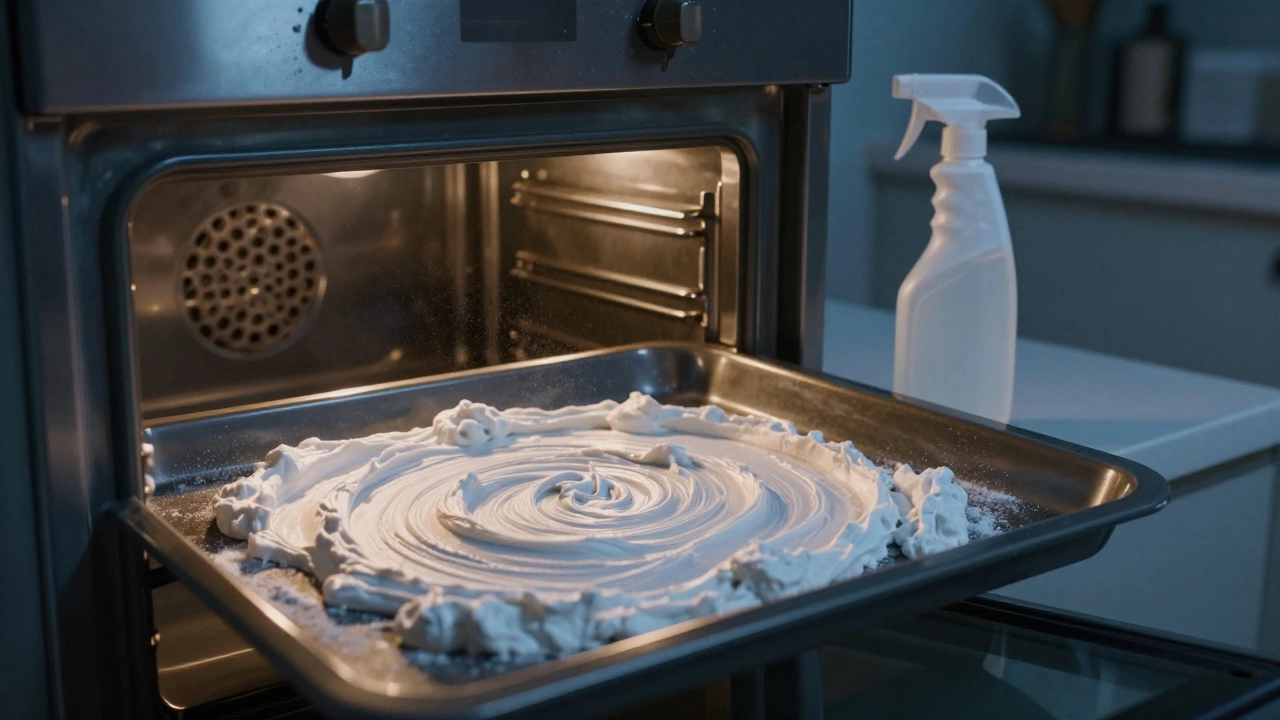
How Long to Let Baking Soda and Vinegar Sit in the Oven for Best Results
Let baking soda and vinegar sit in your oven overnight for the best results. This natural method safely breaks down grease without harsh chemicals-just patience and the right timing.
Read More