How to Negotiate With a Cleaning Lady: Fair Pay, Boundaries, and UK Tips
When you negotiate cleaning lady, the process of agreeing on pay, scope, and expectations with a domestic cleaner, you’re not just haggling over money—you’re building a working relationship that lasts. Whether you’re hiring for weekly tidy-ups or end of tenancy cleaning, the key is clarity, fairness, and respect. Many homeowners assume cleaners will accept whatever’s offered, but skilled professionals in the UK know their worth—and so should you.
One of the biggest mistakes people make is treating cleaning as a casual gig instead of a skilled service. A good cleaner doesn’t just wipe surfaces; they know which products damage wood, how to remove stubborn stains without chemicals, and how to work around fragile items. That’s why end of tenancy cleaning, a detailed, move-out cleaning required by landlords to return a deposit often costs more than routine cleaning. It’s not just more work—it’s higher precision. If you’ve had the same cleaner for months and they’ve consistently delivered spotless results, a small pay increase isn’t a cost—it’s an investment in reliability. Studies show that cleaners who feel valued stay longer, show up on time, and go the extra mile.
When you sit down to negotiate cleaning lady, the process of agreeing on pay, scope, and expectations with a domestic cleaner, start with facts. What’s the going rate in your area? In most UK cities, basic weekly cleaning runs £12–£18 per hour, while end of tenancy jobs can hit £25–£35 per hour depending on size and condition. Don’t guess—ask other homeowners, check local Facebook groups, or look at ads from agencies. If your cleaner is bringing their own supplies, using eco-friendly products, and showing up early, that’s value. Don’t try to lowball them. Instead, say: "I’ve noticed how thorough you are with the kitchen and windows. I’d like to increase your rate to £16/hour. Would that work?" That’s how you turn a transaction into a partnership.
It’s also important to define what’s included. Too many people assume "cleaning" means everything. But does that include deep-cleaning the oven? Washing curtains? Moving heavy furniture? If it’s not written down, it’s not agreed on. Use a simple checklist—like the ones landlords use for end of tenancy cleaning, a detailed, move-out cleaning required by landlords to return a deposit—to avoid misunderstandings. And if your cleaner suggests a raise after six months of solid work? Say yes. It’s cheaper than hiring someone new, training them, and hoping they don’t break your glassware.
Some people worry that paying more will make the cleaner expect more. But the opposite is true. When people feel respected, they take pride in their work. They notice the dust you didn’t mention. They clean the grout between tiles without being asked. They show up when the rain hits. That’s the real return on a fair wage.
Below, you’ll find real advice from people who’ve been there—how to handle difficult conversations, what to do when a cleaner asks for more, and why skipping the raise often costs you more in the long run. No fluff. Just what works in the UK right now.
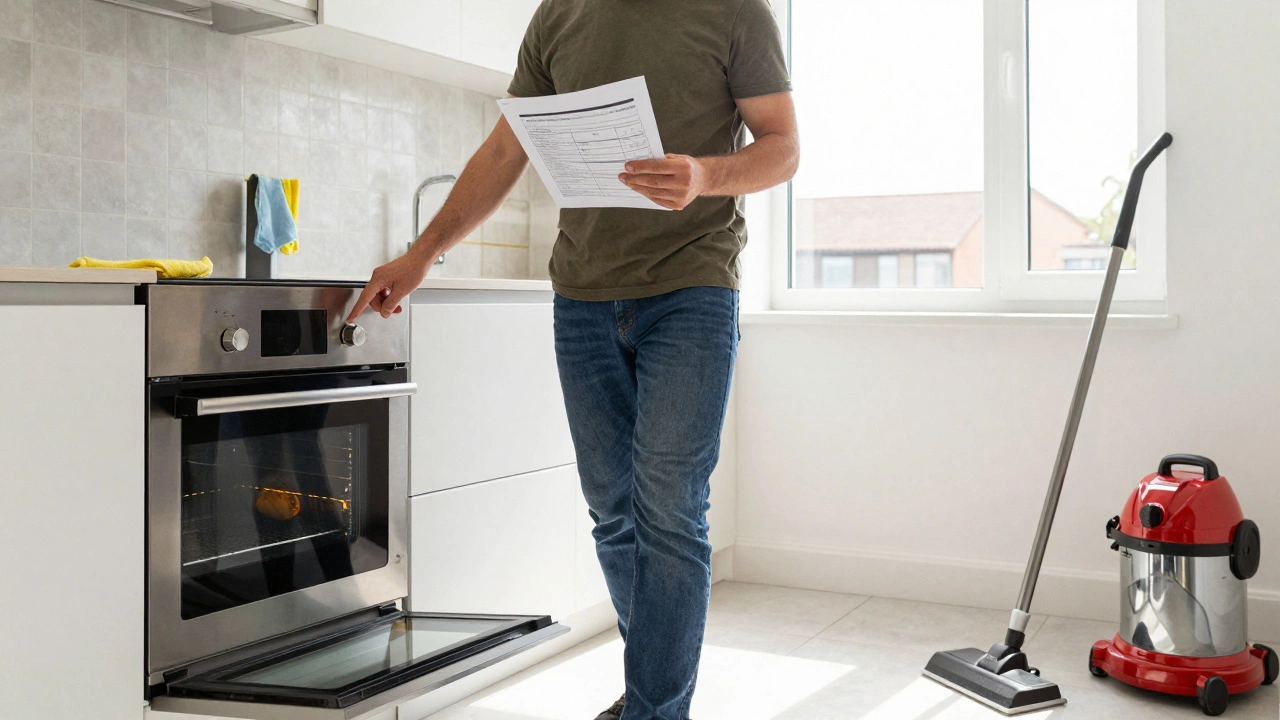
How to Negotiate With a Cleaning Lady for End of Tenancy Cleaning
Learn how to negotiate with a cleaning lady for end of tenancy cleaning in the UK. Get your full deposit back by knowing what landlords really want, avoiding scams, and using the right checklist.
Read More