Kitchen Surface Damage: What’s Normal, What’s Not, and How to Fix It
When you notice kitchen surface damage, physical wear or marks on countertops, backsplashes, or cabinetry that affect appearance or function. Also known as countertop wear, it’s one of the most common issues landlords and homeowners face after years of use or at the end of a tenancy. Not all damage is the same. A light scratch on laminate isn’t the same as a deep chip in granite. And while some marks are just part of daily life, others can cost you your deposit or require expensive repairs.
Most kitchen surface damage falls into three buckets: scratches, minor surface abrasions from pots, knives, or cleaning tools, stains, discoloration from spills, grease, or heat that won’t clean off, and chips or cracks, structural damage that compromises the surface integrity. In the UK, tenancy laws often distinguish between normal wear and tear and actual damage. A few faint scratches on a wooden countertop? That’s normal. A burn mark from a hot pan or a large crack from dropping a heavy pot? That’s damage—and you might be responsible.
What you can fix yourself depends on the material. Laminate can be touched up with repair kits. Granite and quartz can often be polished or sealed to hide minor stains. But if the damage goes deep—like a crack that runs through the surface or a chip that exposes the substrate—you’re looking at professional help. Many landlords don’t realize that minor surface issues can be cleaned or masked before a final inspection. A good end of tenancy cleaning doesn’t just scrub surfaces—it assesses them. And sometimes, a simple polish or sealant can turn a potential deduction into a pass.
And it’s not just about money. Kitchen surface damage affects how your space feels. A scratched countertop looks old. A stained backsplash looks neglected. Even if the damage is small, it can make a whole kitchen feel worn down. That’s why many professional cleaners now include surface assessment as part of their deep cleaning service—they know appearance matters as much as cleanliness.
Below, you’ll find real guides from homeowners and landlords who’ve dealt with exactly this. Some figured out how to fix scratches without calling a pro. Others learned what their landlord couldn’t legally charge them for. A few discovered that what they thought was permanent damage was just a cleaning mistake. You’ll see what works, what doesn’t, and how to tell the difference between something that needs fixing and something that just needs a better approach.
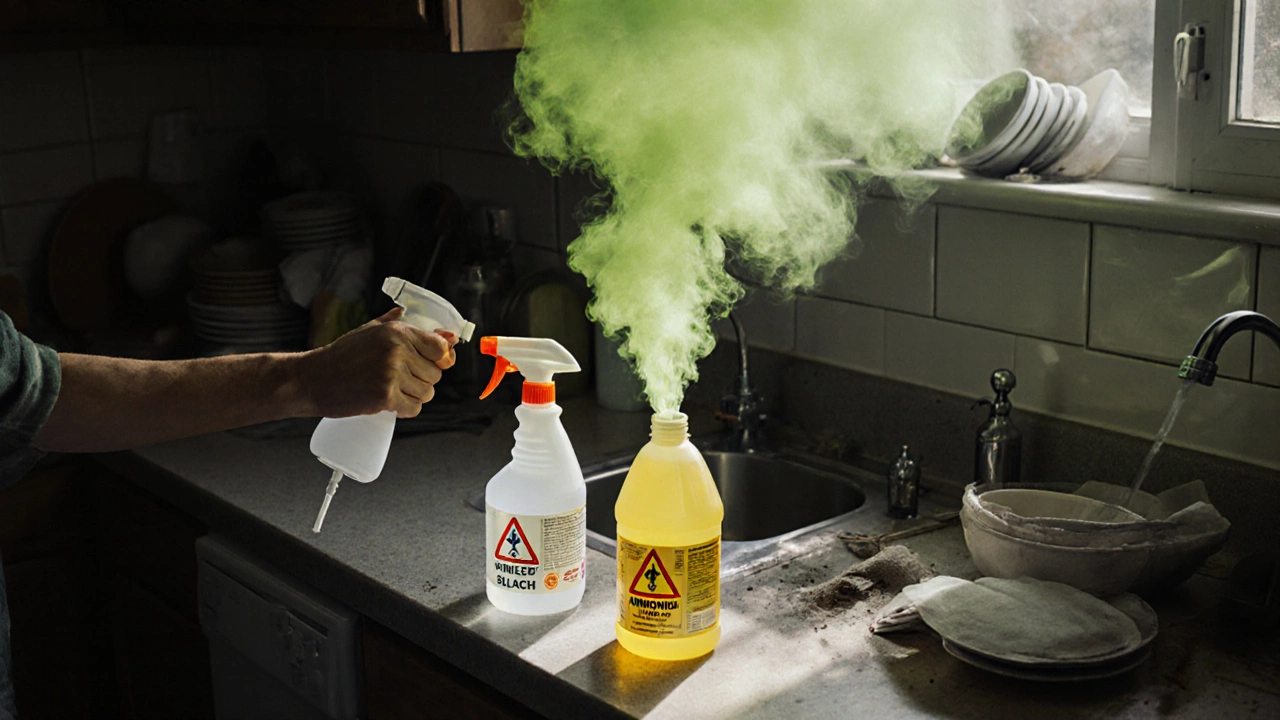
What Not to Do When Cleaning a Kitchen: Common Mistakes That Make Things Worse
Avoid these common kitchen cleaning mistakes that damage surfaces, spread germs, or create dangerous fumes. Learn what not to do for a safer, cleaner kitchen.
Read More