Deposit Return: How to Get Your Full Deposit Back After Moving Out
When you move out, your deposit return, the money you paid upfront when renting a property, which should be returned if you leave it in good condition. Also known as tenancy deposit, it’s not a gift—it’s your money, and UK law says you’re entitled to it back if you meet the terms. Too many tenants lose part or all of it because they don’t know what landlords actually check. It’s not about being spotless—it’s about being fair.
Landlords don’t expect a brand-new home. They expect the same condition it was in when you moved in. That’s the basic rule of cleaning for end of tenancy, the standard that requires tenants to return a property to its original clean state. But what does that really mean? It means clean carpets, no grease on the oven, no mold in the bathroom, and no holes in the walls from hanging pictures. It doesn’t mean scrubbing the floor with a toothbrush or replacing worn-out carpet. That’s where acceptable wear and tear, normal damage from everyday use that isn’t the tenant’s fault comes in. Scratches on wood floors? Normal. Burn marks from a pan? Not. Dust in the vents? Normal. Stains from pet accidents? Not. You need proof—photos from move-in day, inventory reports, receipts for repairs you made. Without it, you’re guessing.
And cleaning isn’t just about dirt. It’s about smell, residue, and hidden damage. Baking soda left too long on a mattress can trap moisture. Vinegar on stone countertops can etch the surface. Using the wrong cleaner on windows leaves streaks that look like neglect. These aren’t just cleaning mistakes—they’re deposit killers. That’s why professional end of tenancy cleaning isn’t about scrubbing harder. It’s about knowing what matters, what doesn’t, and how to prove you did it right. You’ll find real checklists, landlord secrets, and step-by-step guides below—no fluff, no theory, just what actually gets your money back.
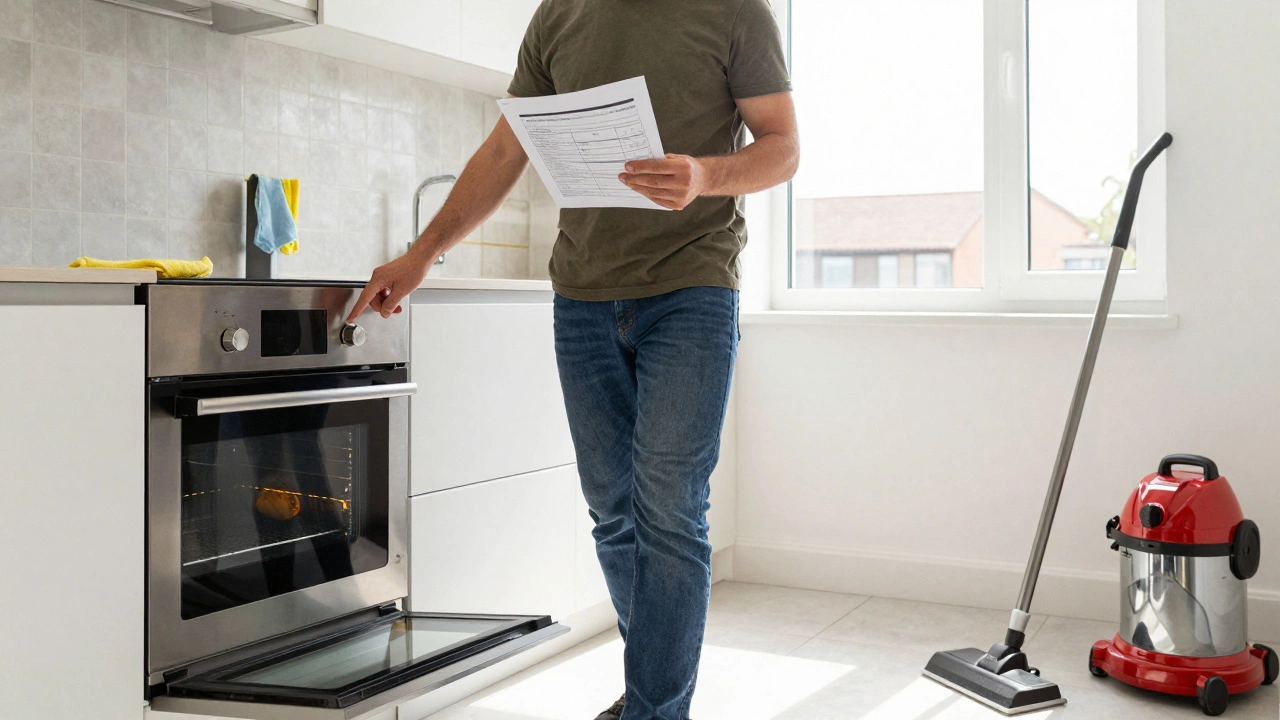
How to Negotiate With a Cleaning Lady for End of Tenancy Cleaning
Learn how to negotiate with a cleaning lady for end of tenancy cleaning in the UK. Get your full deposit back by knowing what landlords really want, avoiding scams, and using the right checklist.
Read More