Deep Clean Neglected House: How to Restore a Home That’s Been Ignored for Months
When you’re facing a deep clean neglected house, a home that hasn’t been properly cleaned in months or years, often filled with dust, grime, mold, and odors. Also known as heavy duty cleaning, it’s not just about making things look tidy—it’s about fixing health hazards, removing trapped allergens, and bringing a space back to life. This isn’t your regular Saturday mop. This is the kind of cleanup that requires strategy, the right tools, and knowing what not to skip—like the back of the fridge, the inside of cabinets, or the baseboards crusted with years of dirt.
A neglected home cleaning, the process of restoring a space overwhelmed by long-term neglect, often after a tenant moves out or a family has been too overwhelmed to keep up. Also known as dirty house restoration, it overlaps with end-of-tenancy cleaning but goes further. You’re not just tidying—you’re tackling baked-on grease in the oven, urine stains soaked into carpets, mildew behind the shower curtain, and dust bunnies the size of small animals. It’s where knowing what dissolves baked-on oven grease, how to kill urine smell in mattresses, and why window cleaners avoid Windex isn’t optional—it’s essential. People often think they need to hire someone, but many of these tasks can be done yourself if you understand the science behind the grime. Vinegar breaks down mineral deposits, hydrogen peroxide kills mold without toxic fumes, and enzyme cleaners eat organic messes like pet urine or food spills that regular cleaners just smear around.
What makes a heavy duty cleaning, a comprehensive, labor-intensive cleaning process designed for extreme buildup in residential or commercial spaces. Also known as professional deep cleaning, it’s different from weekly maintenance because it targets areas most people ignore: behind appliances, under beds, inside vents, and along ceiling corners where dust settles for years. You don’t just wipe surfaces—you scrub, steam, vacuum with HEPA filters, and sometimes even replace items that are too far gone. A neglected house doesn’t just look bad—it can make people sick. Mold spores, dust mites, and ammonia from old urine can trigger asthma, allergies, and chronic fatigue. That’s why the best deep cleans combine physical scrubbing with eco-friendly disinfecting methods that actually kill germs, not just cover them up.
And it’s not just about cleaning—it’s about knowing what counts as damage versus normal wear and tear, especially if you’re a landlord. Scratches on wood floors? Usually fine. Deep gouges from dragging furniture? That’s a different story. Same with carpets: yellowed stains from old spills aren’t wear and tear—they’re stains that need professional treatment. You’ll find guides in the posts below that walk you through exactly how to handle each of these issues without overpaying or making things worse.
What you’ll find here aren’t quick fixes or magic sprays. These are real, step-by-step methods used by professionals and homeowners who’ve been through the same mess. Whether you’re dealing with a house left after a tenant moved out, a family home that fell into disrepair, or just a place that got too overwhelming to clean for too long—you’ll find the tools, the products, and the logic behind what actually works. No fluff. No hype. Just what you need to get your house back.
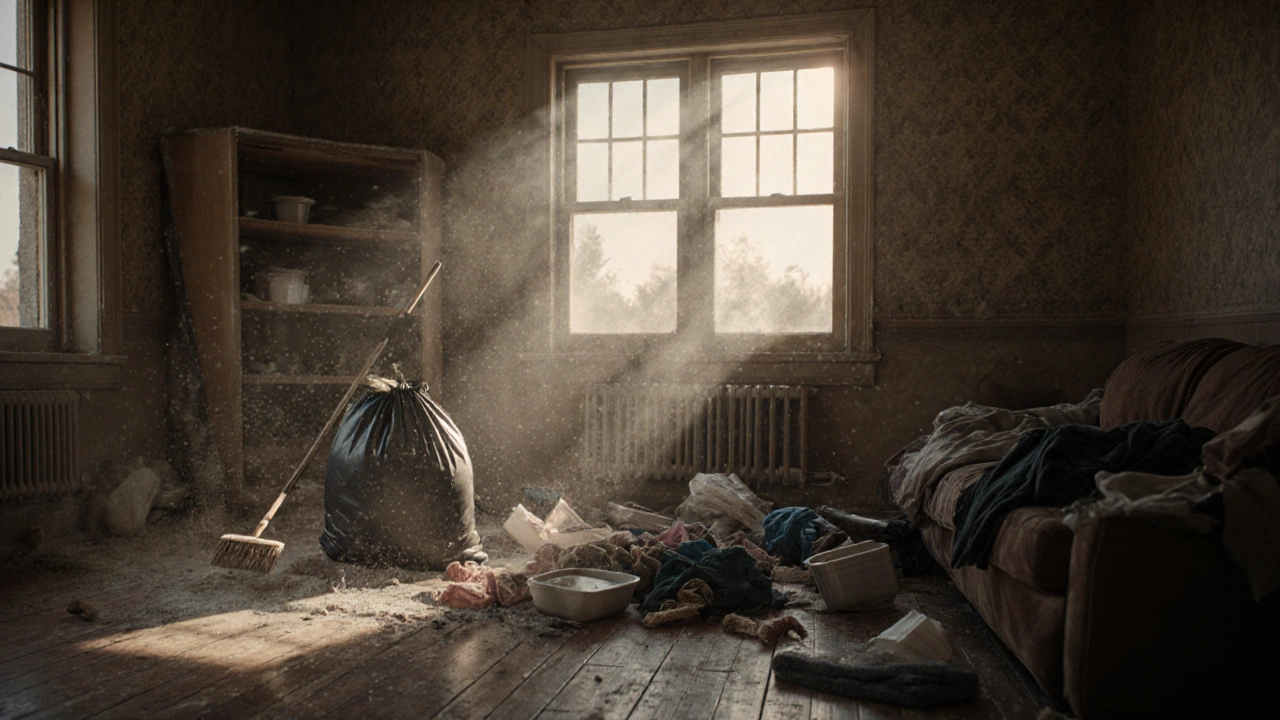
How to Deep Clean a Neglected House: A Step-by-Step Guide for Realistic Results
Learn how to deep clean a neglected house in one day with practical steps that focus on safety, speed, and livability-not perfection. No fluff, just real results.
Read More