Cleaning Kitchen Safely: Best Practices and Eco-Friendly Methods
When you think about cleaning kitchen safely, the process of removing dirt, grease, and germs from kitchen surfaces without exposing yourself or your family to harmful chemicals. Also known as non-toxic kitchen cleaning, it's not just about making things look shiny—it’s about protecting your health, especially if you have kids, pets, or allergies. Many people reach for strong chemical sprays because they seem faster, but those products often leave behind fumes, residues, and long-term risks. The good news? You don’t need them. Simple, natural tools like vinegar, baking soda, hydrogen peroxide, and even plain hot water can do the job just as well—sometimes better.
Kitchen grease removal, the process of breaking down hardened oils and food residues on stovetops, range hoods, and backsplashes, is one of the toughest tasks. Baked-on grease doesn’t vanish with a quick wipe. It needs time and the right chemistry. Enzyme-based cleaners or a paste of baking soda and water work by lifting grease without fumes. For tougher spots, a mix of vinegar and water sprayed first, then scrubbed with a non-scratch sponge, breaks down grease naturally. You’re not just cleaning—you’re avoiding the lung irritation and skin burns that commercial degreasers can cause.
Eco-friendly kitchen cleaning, using biodegradable, non-toxic substances to maintain hygiene without harming water systems or indoor air quality, is more than a trend. It’s practical. A 2022 study from the UK’s Environmental Health Journal found that households using natural cleaners had 40% lower levels of airborne chemicals in their kitchens. That’s not just a win for the planet—it’s a win for your breathing. And it’s cheaper. Vinegar costs pennies. Baking soda lasts months. You’re not spending more—you’re spending smarter.
And what about disinfecting? You don’t need bleach to kill germs on countertops or cutting boards. Hydrogen peroxide, left on a surface for 10 minutes, kills 99.9% of common bacteria. It’s safe for food surfaces, breaks down into water and oxygen, and won’t leave a chemical film. Combine that with regular wiping after cooking, and your kitchen stays clean without the toxicity. It’s not magic—it’s science you can do yourself.
There’s also the matter of tools. Microfiber cloths trap more dirt than paper towels. Steel wool can scratch surfaces. Sponges harbor bacteria if not replaced often. These small choices add up. Cleaning kitchen safely isn’t about one product or one trick. It’s a system: the right method, the right tools, the right habits. And it’s doable—even if you’re short on time.
Below, you’ll find real guides from people who’ve done this themselves. No fluff. No ads. Just what works: how to dissolve baked-on grease without fumes, which sprays actually disinfect without toxins, and how to keep your kitchen clean without buying a new bottle every week. Whether you’re a homeowner, renter, or just tired of chemical smells, these posts give you the clear, step-by-step answers you need.
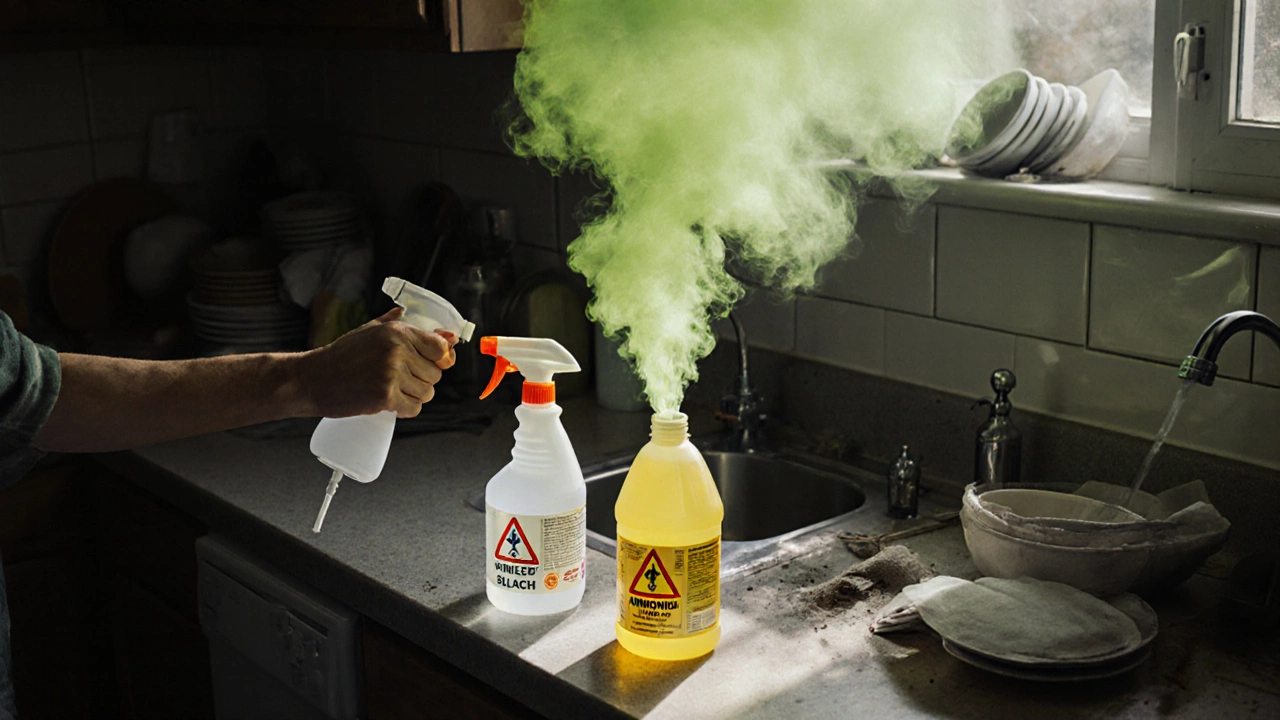
What Not to Do When Cleaning a Kitchen: Common Mistakes That Make Things Worse
Avoid these common kitchen cleaning mistakes that damage surfaces, spread germs, or create dangerous fumes. Learn what not to do for a safer, cleaner kitchen.
Read More