Cleaning Contract: What You Need to Know Before Signing
When you hire a cleaning service, whether for your home or office, you’re not just paying for scrubbing floors—you’re entering into a cleaning contract, a formal agreement that outlines what services will be done, how often, and at what cost. This isn’t just a receipt or a handshake deal—it’s a legal document that protects both you and the company. Without one, you’re left guessing what’s included, who’s responsible if something breaks, and whether you can cancel without penalty.
A good cleaning contract, a formal agreement that outlines what services will be done, how often, and at what cost should clearly list the scope of work. That means no vague terms like "general cleaning." Instead, it should say exactly what’s covered: windows, ovens, carpets, or just dusting and mopping. Many people assume end of tenancy cleaning means a full deep clean, but without written details, your landlord might only expect a quick wipe-down. The same goes for businesses—some contracts only cover common areas, leaving restrooms or kitchens untouched. You need to know what you’re paying for before the cleaner shows up.
Another key part of any cleaning contract, a formal agreement that outlines what services will be done, how often, and at what cost is the payment structure. Is it weekly, monthly, or per visit? Are there hidden fees for extra tasks like cleaning the fridge or removing pet hair? Some companies charge more for eco-friendly products, while others bundle them in. And what happens if you’re not happy? A solid contract includes a satisfaction guarantee or a free redo clause. Look for these details. If they’re missing, ask for them. Don’t sign anything that doesn’t spell out what happens if the service falls short.
Don’t overlook the fine print on equipment and chemicals. Many cleaning contracts now specify whether the company uses their own supplies—or if you’re expected to provide them. If you’re paying for eco-friendly cleaning, make sure the contract says so. You don’t want to be billed for "green cleaning" only to find out they’re using bleach and ammonia. Also, check if the contract covers liability. If a cleaner damages your hardwood floor or breaks a window, who pays? A reputable company will carry insurance. If they don’t mention it, assume they won’t cover it.
And here’s something most people miss: cancellation terms. Can you pause service if you go on vacation? Can you end the contract early without paying a fee? Some companies lock you in for six months or a year. Others let you cancel anytime. If you’re signing up for regular residential cleaning, make sure you’re not stuck paying for services you don’t need. The same applies to commercial spaces—businesses change, layouts shift, cleaning needs evolve. Your contract should reflect that flexibility.
What you’ll find below are real questions people ask about cleaning contracts—whether they’re moving out of a rented flat, running a small office, or hiring a cleaner for the first time. You’ll see what landlords actually check during end of tenancy cleaning, how much you should expect to pay, and why some cleaning companies charge twice as much for the same job. There are guides on what to include in your own contract, how to spot red flags, and how to get your deposit back without a fight. These aren’t theoretical tips—they’re based on real experiences from UK homes and businesses. Read them before you sign anything.
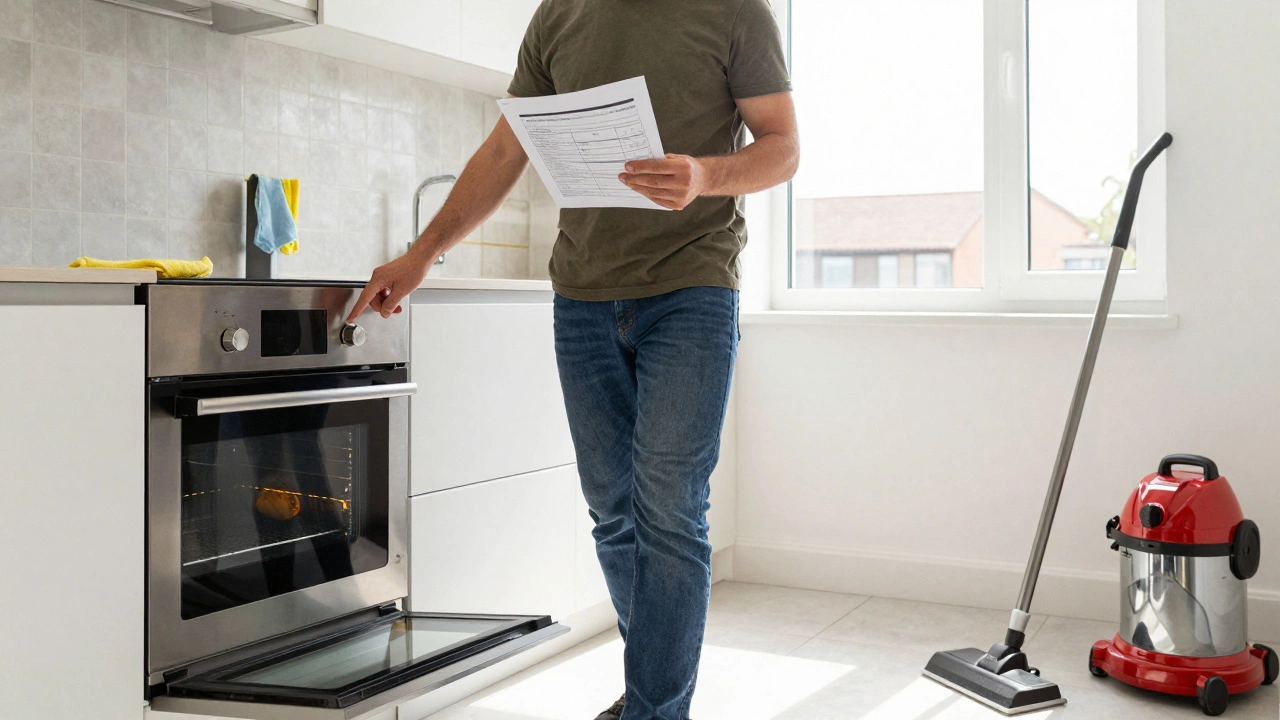
How to Negotiate With a Cleaning Lady for End of Tenancy Cleaning
Learn how to negotiate with a cleaning lady for end of tenancy cleaning in the UK. Get your full deposit back by knowing what landlords really want, avoiding scams, and using the right checklist.
Read More