Baking Soda and Vinegar Oven Clean: The Simple Way to Remove Baked-On Grease
When you need to clean a greasy oven without toxic chemicals, baking soda and vinegar, a two-part natural cleaning system that breaks down grease and neutralizes odors. Also known as the DIY oven cleaner, it’s one of the most trusted methods used in homes across the UK because it’s safe, cheap, and surprisingly effective. This combo isn’t magic—it’s chemistry. Baking soda is a mild abrasive that lifts grease, while vinegar’s acidity dissolves stuck-on residue. Together, they create a reaction that loosens grime without scratching surfaces or filling your kitchen with fumes.
People often confuse this method with just spraying vinegar on baking soda and walking away. That’s not how it works. The real trick is letting the paste sit for hours—sometimes overnight—so it has time to penetrate deep into baked-on grease on oven trays and oven walls. You’ll find in the posts below that professional cleaners and homeowners alike swear by this method, especially when dealing with years of buildup. It’s not just about cleaning; it’s about avoiding the expensive, harsh chemical cleaners that can damage oven coatings over time. And if you’ve ever tried scrubbing a tray with a steel wool pad only to scratch it, you know why this gentle approach matters.
Related entities like oven trays, the most commonly greasy parts of an oven that need regular deep cleaning and natural oven cleaner, any non-toxic solution that removes grease without synthetic chemicals show up again and again in the posts below. You’ll see how some people use lemon juice instead of vinegar, others add salt for extra scrubbing power, and a few even combine it with hydrogen peroxide for disinfecting. But the core method stays the same: paste, wait, wipe, rinse. No magic, no mystery.
What makes this approach stand out isn’t just that it works—it’s that it’s repeatable. You don’t need a pressure washer, a steam cleaner, or a $50 bottle of oven spray. Just a few household items you already have. And if you’re worried about residue, the posts will show you exactly how to rinse it off without leaving a chalky film. This isn’t a one-time fix for a dirty oven. It’s a habit that keeps your kitchen safer, cleaner, and smelling fresh without spending a fortune.
Below, you’ll find real-life guides on how to tackle the toughest grease spots, what mistakes to avoid, and why some people still end up with sticky trays even after using baking soda and vinegar. You’ll also see how this method fits into broader eco-friendly cleaning routines—like disinfecting your whole house without chemicals or choosing the right products for end-of-tenancy cleanups. Whether you’re cleaning your first oven or your fiftieth, these posts give you the practical, no-fluff advice that actually works.
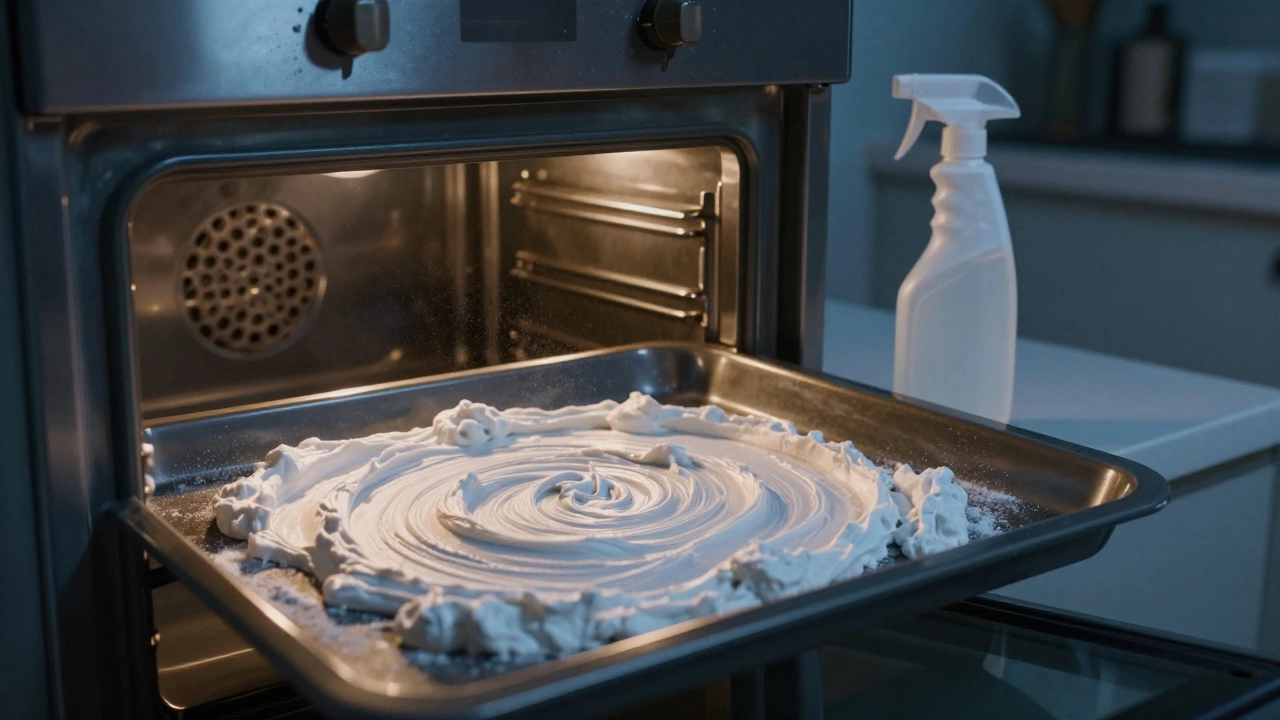
How Long to Let Baking Soda and Vinegar Sit in the Oven for Best Results
Let baking soda and vinegar sit in your oven overnight for the best results. This natural method safely breaks down grease without harsh chemicals-just patience and the right timing.
Read More